



Technical features and scope of DIN 2630
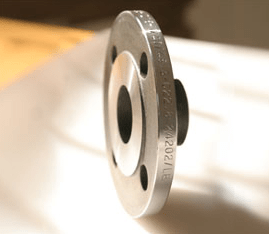
The DIN 2630 standard regulates the parameters of weld-neck flanges designed for butt-welding in piping systems with a nominal pressure of PN 2.5 (2.5 kgf/cm²). The size range covers nominal diameters from DN 10 to DN 4000, allowing these components to be used in large industrial assemblies, reservoirs, pressure vessels, and trunk pipelines.
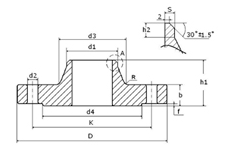
Structurally, the product is a disk with radially arranged holes for fasteners and a conical welding hub (“neck”), which ensures high reliability of the welded joint with the pipe and uniform load distribution. Manufacturing technology, dimensional tolerances, material requirements, and quality control methods comply with DIN 2519, while the parameters of sealing surfaces are defined by the DIN 2526 standard.
Material execution
- Stainless corrosion-resistant steels.
- Carbon structural steels.
- Alloy steels for specific operating conditions.
- Heat-resistant steels for high-temperature processes.
When using C22 grade steel, the flanges can be operated at temperatures up to 120°C without reducing the nominal pressure. In the temperature range from 120°C to 300°C, the design strength parameters are adjusted to account for the decrease in the metal’s yield strength.
Important note from EV Group China engineers: The DIN 2630 standard is currently classified as obsolete. For new projects and the replacement of worn-out equipment, EV Group China recommends using modern analogs that comply with the current European standard DIN EN 1092-1 (Type 11B).