



Technical regulations and scope of ASME B16.36 orifice flanges
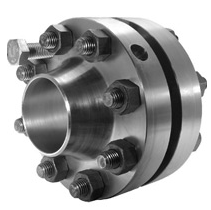 The ASME B16.36 standard establishes rigorous requirements for the design of flanges intended for measuring medium flow rates via differential pressure. These products are specialized components of piping systems that ensure the integration of orifice plates directly into the connection assembly.
EV Group China supplies flanges that comply with ASME B16.36 specifications, covering the following design configurations:
-
Welding neck flanges: for pressure classes 300, 600, 900, 1500, and 2500 psi. Geometric parameters and tolerances strictly comply with Appendix I of the standard.
-
Slip-on and threaded flanges: limited to the 300 psi pressure class.
-
400 psi welding neck flanges: specifications and tabular data are provided in Appendix II of the standard.
Nominal pressure ratings and temperature limits, as well as testing protocols for tightness and strength, comply with the base standard ASME B16.5, which is the governing document for these products.
The selection of steel grades for flange production is carried out in strict accordance with the requirements of ASME B16.5. If it is necessary to use alternative alloys not included in Appendix III of the standard, one must follow the provisions of section 4.3 of the technical specifications.
The use of materials other than those specified in ASME B16.5 is permitted provided the following conditions are met:
-
Metals must correspond to similar classes, alloy types, and heat treatment procedures regulated by international standards.
-
The manufacturer (EV Group China) guarantees full compliance of the physical and chemical characteristics of the materials with the requirements of the specifications set forth in Appendix III to the ASME B16.5 standard.
Design pressure parameters for jacking screws (bolts and plugs) must meet the requirements of ASME B16.11, unless otherwise specified in the customer’s specifications. The jacking screw material is selected taking into account corrosion resistance and compatibility with the base metal of the flange.
The standard regulates both the metric unit system (SI) and the US customary system, ensuring universal applicability of these products in world-class engineering projects.