



Technical parameters and purpose of DIN 2527 flanges
The DIN 2527 standard defines the design requirements for blind flanges (blank flanges) intended for sealing the end sections of piping systems. The product range covers nominal pressures ranging from PN 6 to PN 100 with nominal diameters (DN) from 10 to 500 mm.
The technical documentation regulates product geometry, material selection, physical and chemical requirements for sealing surfaces, and calculated mass parameters. Manufacturing processes, supply regulations, and marking are based on the DIN 2519 standard, while contact seal parameters comply with DIN 2526 specifications.
A blind flange (flange cap) is a solid disc made of carbon, structural, or high-alloy stainless steels. The main purpose of these products is to ensure airtight sealing of pipelines during assembly work, as well as in the manufacturing of tank equipment, heat exchangers, and pressure vessels.
The choice of steel grade is based on the chemical composition of the working medium and operating temperature conditions. The products are capable of operating efficiently at working pressures up to 1.6 MPa and in a temperature range from -60°C to +600°C, depending on the selected material.
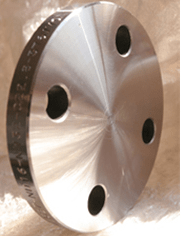
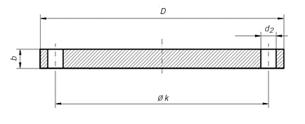
The size range of DIN 2527 blind flanges is fully adapted to the metric standards of electric-welded pipes DIN 17457 and international pipeline valves ISO. Experts at EV Group China note the reliability of using flange caps made of corrosion-resistant steel (e.g., AISI 304) in critical industrial sectors:
- design and manufacturing of heat exchange systems;
- oil and gas and petrochemical industry;
- thermal power engineering and public utilities.
Important note: The DIN 2527 standard is officially considered obsolete. In modern engineering practice, for the selection and ordering of flange connections, one must be guided by the DIN EN 1092-1 standard (Type 05).