



Technical features and application scope of DIN 2628 flanges
The DIN 2628 standard regulates the design parameters and technical requirements for steel butt-weld welding neck flanges, rated for a nominal pressure of PN 250 (25 MPa). The range of nominal diameters covers values from DN 10 to DN 250.
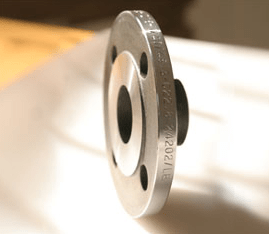
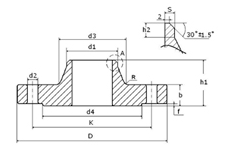
In terms of design, the product is a connecting element for pipeline systems, shut-off valves, pressure vessels, and process equipment. The flange consists of a flat disc with mounting holes for studs or bolts and a conical protrusion (neck/hub), which ensures a smooth transition to the pipe for high-quality butt-welded joints.
EV Group China ensures the supply of products that meet strict quality standards, including requirements for the geometry of contact surfaces and material selection. The manufacturing process and product marking are based on the recommendations of DIN 2519, and the choice of sealing surface configuration is regulated by the DIN 2526 standard.
Materials and temperature conditions
The following groups of steel are used for the production of flanges:
- Corrosion-resistant (stainless) steels.
- Carbon structural steels.
- Alloyed structural steels.
- Heat-resistant steels for operation under high-temperature conditions.
Flanges made of C22 grade steel, manufactured in accordance with this standard, allow operation at working medium temperatures up to 120°C while maintaining the nominal pressure of PN 250. When exceeding the temperature threshold above 120°C and up to 300°C, it is necessary to take into account the reduction in the material’s yield strength, which requires a recalculation of the maximum allowable working pressure.
Attention: The DIN 2628 standard is considered obsolete. In modern engineering practice, it is recommended to use the current European standard DIN EN 1092-1 (type 11B) for new projects.