



Technical features and scope of application of DIN 2642 flanges
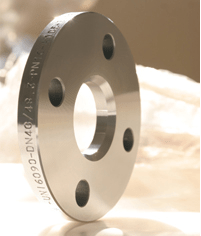
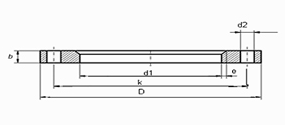
The DIN 2642 standard defines the design parameters and technical requirements for loose flanges mounted on a flat welding ring. This type of connecting element is designed for a nominal pressure of PN 10 (10 kgf/cm²) and covers a wide range of nominal bores from DN 10 to DN 800. The products are intended for installation in pipeline systems where frequent maintenance or simplified alignment of bolt holes is required.
Dimension regulation, material selection, and testing methodology are carried out in accordance with DIN 2519 standards. EV Group China engineers emphasize that loose flanges ensure a reliable connection in conditions requiring high corrosion resistance and operational flexibility.
Industrial use of loose flanges:
- Chemical production and oil refining;
- High-tech electronics sector;
- Food industry equipment requiring strict sanitary and hygienic standards;
- Synthetic fiber production;
- Shipbuilding and marine engineering infrastructure;
- Caustic soda chemical processing plants.
Operational characteristics:
- High level of chemical inertness in aggressive environments;
- Resistance to caustic alkalis and salt solutions;
- Excellent corrosion resistance when in contact with natural and distilled water;
- Ability to operate with dry fluorine;
- Optimal electrical and thermal conductivity indicators;
- Stability of magnetostrictive properties;
- Acceptable resistance to sulfuric and hydrochloric acids under controlled temperature conditions.
Material execution:
- Austenitic stainless steels;
- Structural carbon steels;
- Specialized nickel alloys.
Important note: The DIN 2642 standard is considered obsolete. Current metal product deliveries by EV Group China are carried out in accordance with the current international standard DIN EN 1092-1 (type 02).