Attention: The DIN 7527 standard has been officially withdrawn.
Technical Regulation of the DIN 7527 Series
This series of standards established requirements for geometry, machining allowances, and limit deviations for various types of steel forgings. EV Group China provides an expert overview of parameters for engineering design and quality control of metal products according to the historically significant DIN 7527 specifications.
Contents
- DIN 7527-1 – Tolerances for die-forged discs
- DIN 7527-2 – Parameters for perforated discs without forging
- DIN 7527-3 – Seamless forged rings
- DIN 7527-4 – Seamless forged bushings
- DIN 7527-5 – Forged, rolled, and welded rings
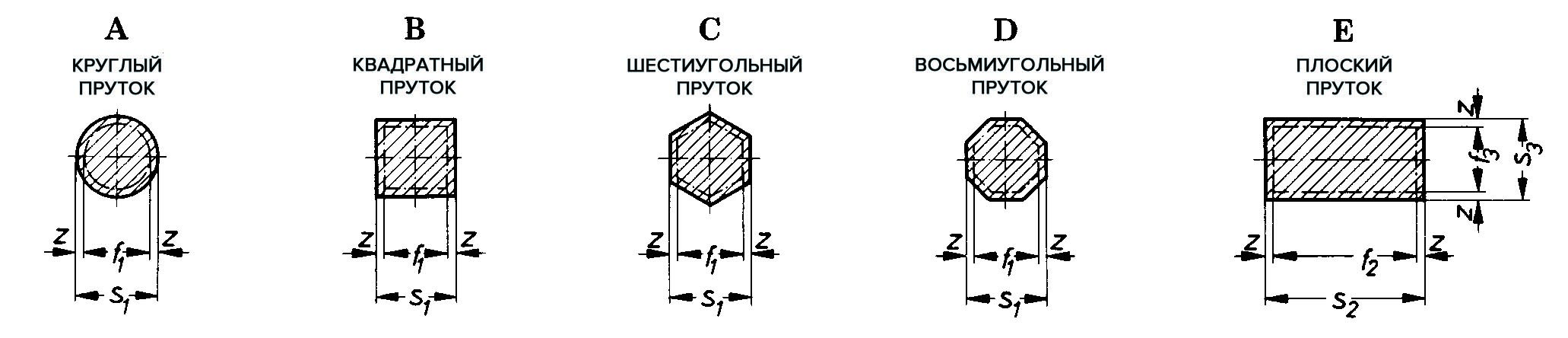
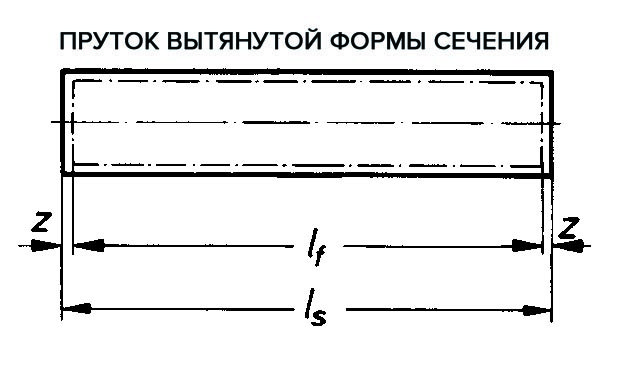
- DIN 7527-6 – Forged bars of various cross-sections
DIN 7527-1 – Steel forgings: die-forged discs
Scope of application
The specification covered forged discs of complex configuration produced by open-die or closed-die forging methods on press equipment. The standard defined critical tolerances to ensure sufficient allowances for subsequent finishing.
DIN 7527-2 – Perforated discs
Technical conditions
The standard regulated the forming processes of perforated products obtained by upsetting and drawing. It governed the geometric ratios of height and hole diameters, ensuring the stability of the workpiece during heat treatment.
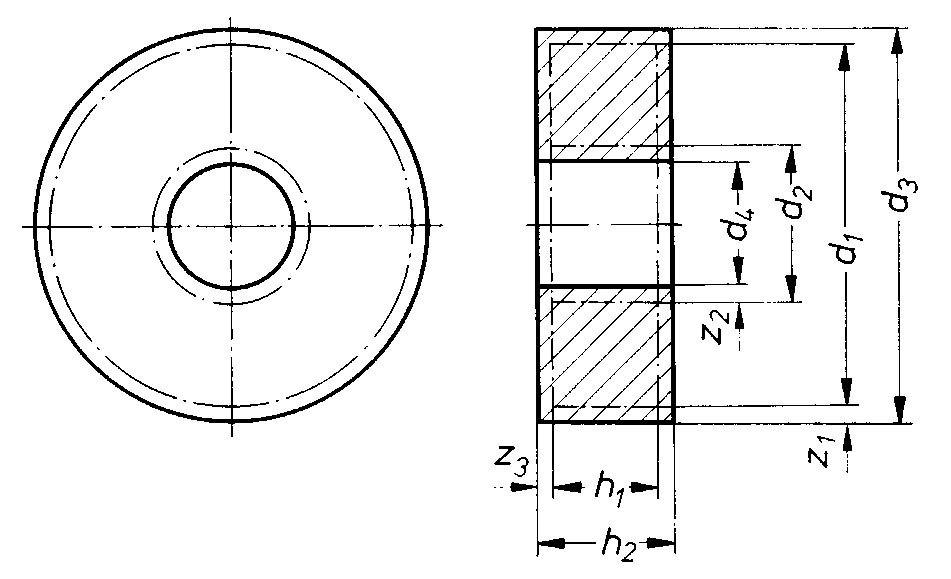
DIN 7527-3 – Seamless forged rings
Operational parameters
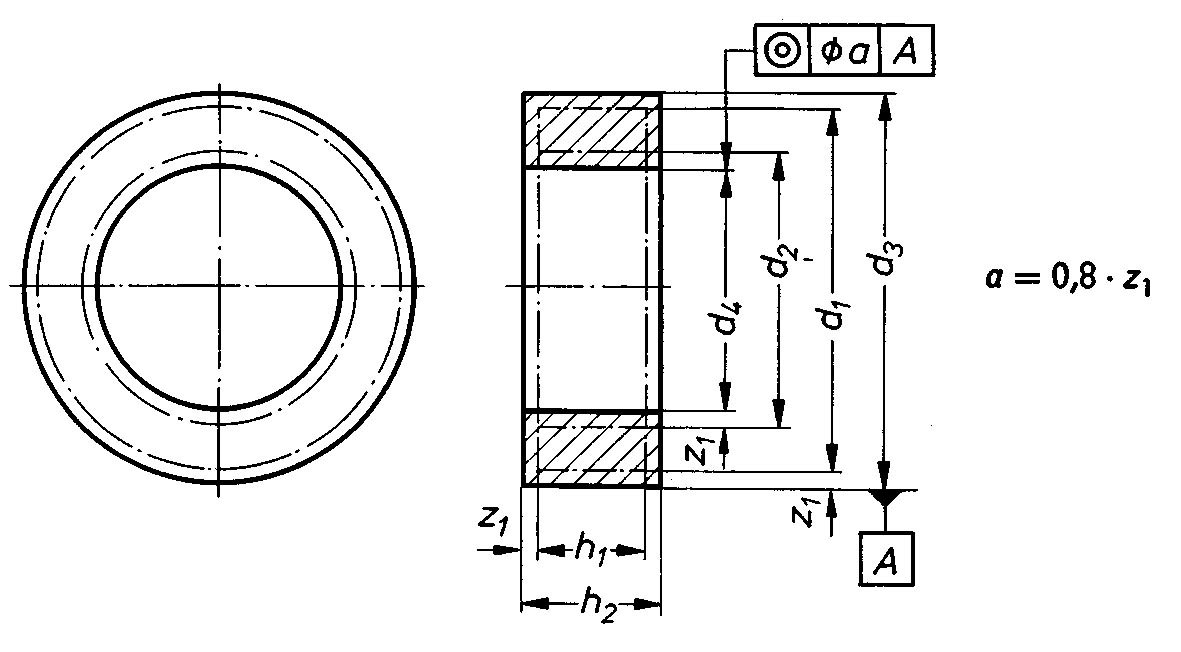
Tolerances for rings manufactured by the expansion (rolling) method were regulated. EV Group China emphasizes the importance of adhering to the d3, d4, and h2 ratios to prevent deformations during the heat treatment of high-strength steels.
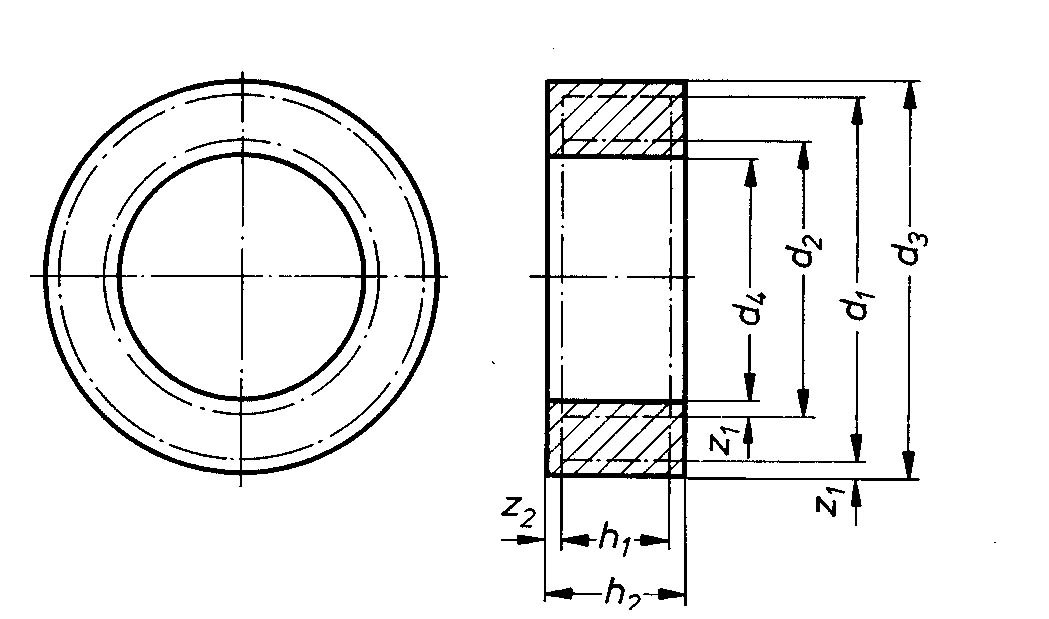
DIN 7527-4 – Seamless forged bushings
Bushings design
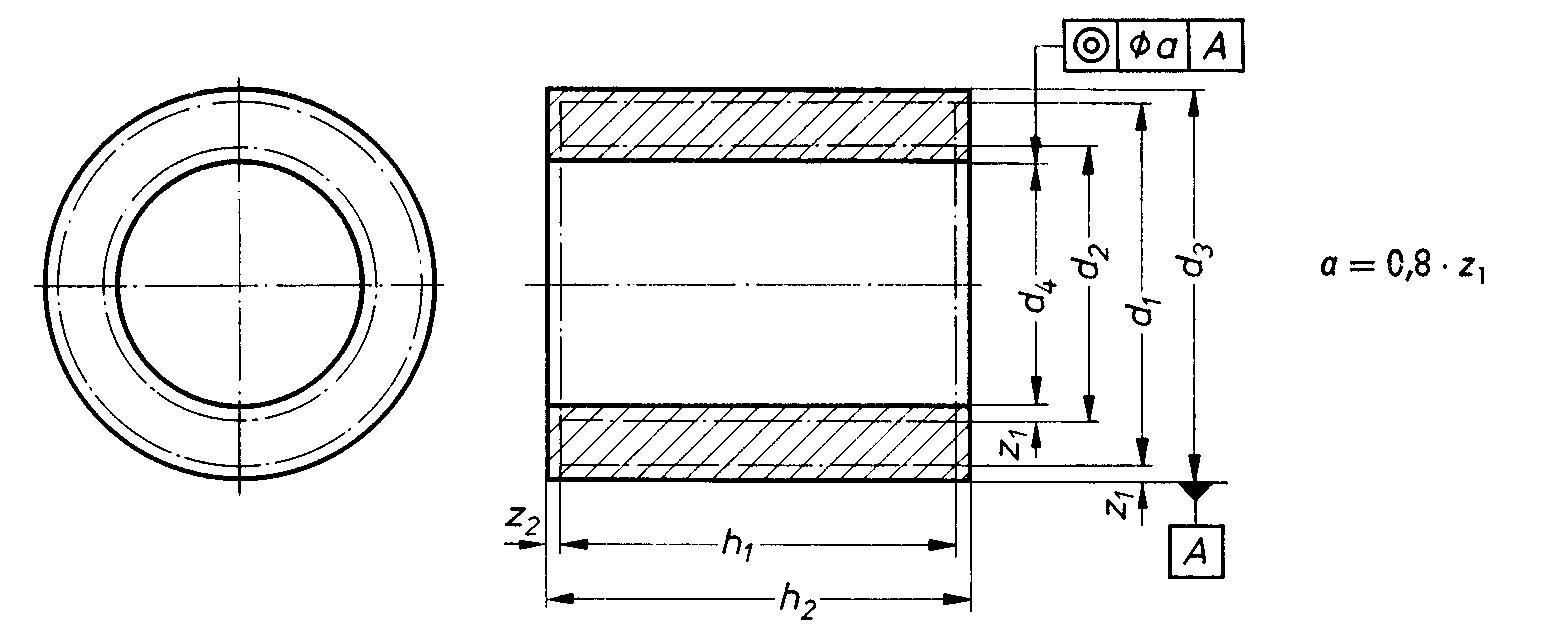
The standard established rules for calculating 2z1 and 2z2 allowances for bushings manufactured by upsetting. Example of marking for a C35 steel forging: bushing U 280 × 180 × 350 F DIN 7527 – C 35. When ordering from EV Group China, it is important to distinguish between nominal (drawing) dimensions and forging dimensions, taking allowances into account.
DIN 7527-5 – Welded and rolled rings
Production tolerances
The document described requirements for rings obtained by rolling or welding segments. The standard allowed the use of both solid-forged workpieces and assembled structures, provided that the ratio d4 ≥ 0.05 d3 was maintained.
DIN 7527-6 – Forged bars
Cross-section classification
The standard covered a wide spectrum of profiles: from round to octagonal cross-sections, including tool and high-speed steels. For flat bars, the defining parameter was the aspect ratio (no more than 8:1 for structural steels). EV Group China supplies rolled and forged metal products that meet strict requirements for geometry and surface finish after forging.